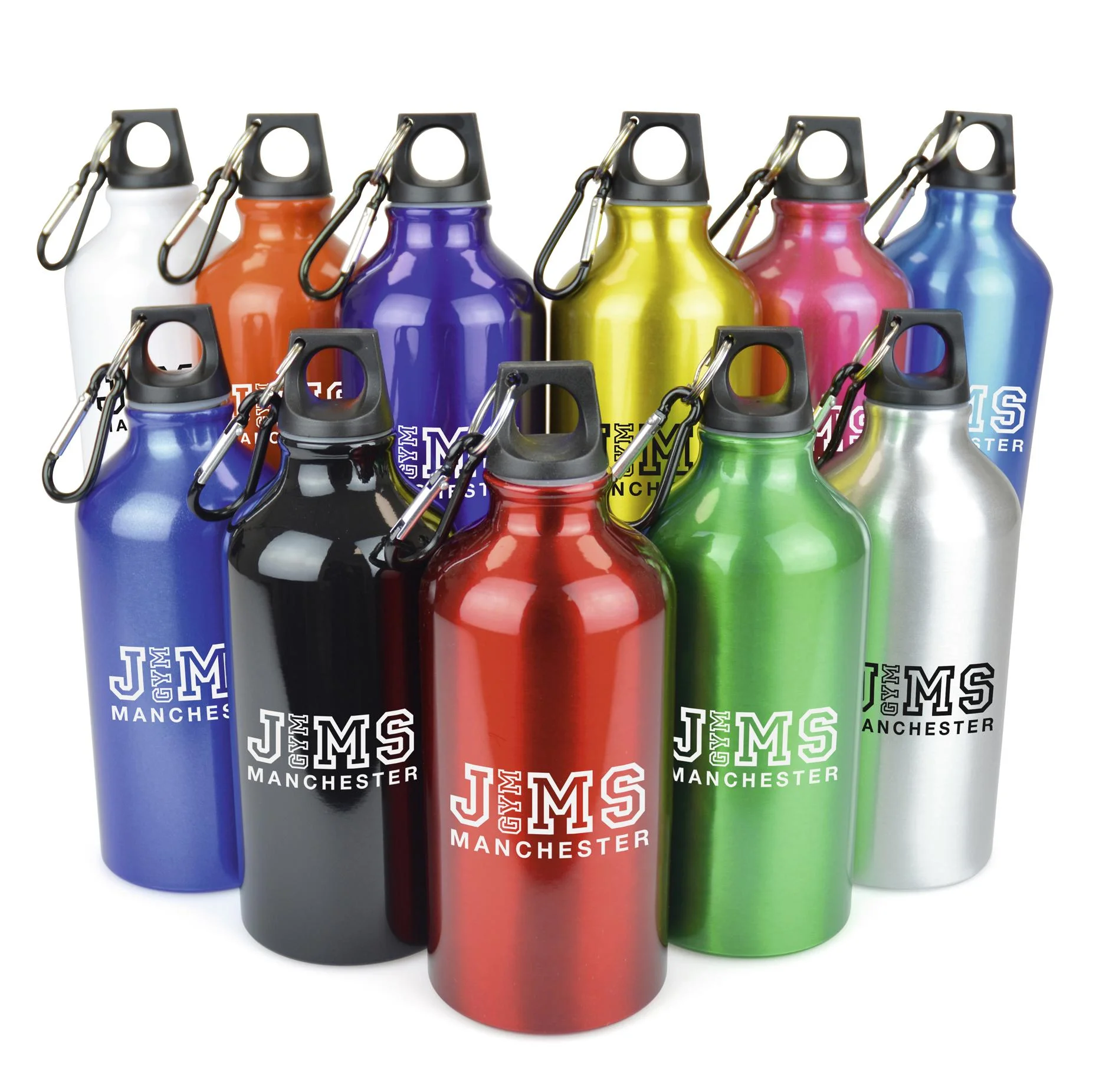
2025 - 2026 trend: Corrosion resistance & formula compatibility in Aluminum bottles for chemicals/industrial/agro
1. Overview of Aluminum Packaging Trends in the Chemical & Agrochemical Industry
1.1 Why Aluminum Packaging Is Gaining Popularity in 2025–2026
In a global context increasingly focused on safety, sustainability, and operational efficiency, aluminum packaging is emerging as a strategic solution for the chemical, industrial, and agrochemical sectors. With superior characteristics such as corrosion resistance, UV protection, high recyclability, and strong compatibility with various chemical formulations, aluminum bottles not only protect the product but also meet global environmental and safety standards. For businesses, packaging material selection is no longer just about cost—it's a matter of technical reliability, safety, and brand reputation. Even minor mistakes in chemical compatibility or corrosion control can result in significant losses in product quality, credibility, and supply chain performance.
1.2 Key Challenges in Storing Chemicals in Aluminum Bottles
Despite their advantages, aluminum bottles face two major challenges:
- Chemical corrosion – when aluminum reacts with acids, alkalis, or organic solvents.
- Formula compatibility – when some active ingredients interact with the aluminum or its protective coating, altering product properties. Hence, 2025–2026 is poised to be a turning point for the advancement of anti-corrosion technologies and compatible coatings.
2. Understanding Corrosion Phenomena in Chemical-Containing Aluminum Bottles
2.1 Corrosion Mechanisms and Real-World Risks
Corrosion is a redox process that occurs on the aluminum surface when exposed to solvents, acids, or strong bases. In aluminum chemical bottles, corrosion can:
- Alter pH and solution purity.
- Cause coating delamination or product leakage.
- Reduce packaging durability and warehouse safety.
2.2 Impact on Product Quality and Safety
Uncontrolled corrosion may lead to:
- Discoloration, precipitation, or unwanted side reactions.
- Reduced active ingredient efficiency in agrochemicals or industrial solvents.
- Non-compliance with global safety standards (REACH, GHS). Thus, corrosion resistance is not just a technical requirement - it’s a prerequisite for maintaining a company’s global supply chain reputation.
3. Advanced Anti-Corrosion Technologies for 2025–2026
3.1 Surface Coating Technologies
Modern coatings like Epoxy Phenolic, Polyester, and Hybrid Polymers are being enhanced to:
- Provide strong oxidation resistance and prevent metal ions from entering the solution.
- Improve chemical compatibility, avoiding side reactions.
- Enable efficient large-scale production via spray or electrostatic coating methods.
3.2 Anodizing & Next-Gen Oxidation-Resistant Coatings
Anodizing creates an ultra-thin but highly durable aluminum oxide layer that:
- Increases surface hardness by 2–3 times.
- Reduces electrical conductivity, minimizing electrochemical reactions.
- Enhances adhesion for organic coatings.
3.3 Composite & Polymer-Enhanced Hybrid Packaging
Future-ready aluminum hybrid bottles (2026) feature interior polymer composite or nano-ceramic linings that:
- Offer high chemical inertness.
- Resist corrosion even with aggressive solvents.
- Ensure product performance for up to 24 months.
4. Chemical Formula Compatibility with Aluminum Bottles – A Critical Factor
4.1 Why Formula Compatibility Is Crucial
Formula compatibility refers to the chemical and physical stability of the product in contact with the packaging. Even with excellent corrosion resistance, aluminum packaging must remain inert to the product’s formulation. This means solvents, active ingredients, and additives must not react with or be absorbed into the aluminum or its coating - critical for maintaining long-term product stability.
Lack of compatibility can result in:
- Discoloration, separation, or precipitation.
- Reduced efficacy or unintended toxicity.
- Mechanical degradation of the protective coating.
4.2 Common Unwanted Reactions Between Aluminum & Actives
Common reactions include:
- Redox between aluminum and acidic or halogenated compounds.
- Complexation that changes product color.
- Solvent breakdown damaging the coating.
Example: A solvent with acetone or MEK (methyl ethyl ketone) may soften epoxy coatings, causing localized corrosion within weeks.
4.3 Laboratory Testing for Compatibility Evaluation
Global packaging manufacturers use methods like:
- Accelerated Compatibility Test: Immersion for 30–90 days at 40–55°C.
- Pressure Stability Test: Measures volume and pressure changes.
- Visual & pH Monitoring: Tracks color and chemical changes.
These tests help identify the optimal coating for specific formulations.
5. Strategic Benefits of Aluminum Packaging for Enterprises
5.1 Product Stability and Global Standard Compliance
Aluminum packaging helps B2B enterprises:
- Maintain product stability throughout storage and logistics.
- Meet international standards such as ASTM G31, ISO 11846, REACH, and EPA.
- Reduce risks in exports, especially in chemicals and agrochemicals.
5.2 Lifecycle Cost Efficiency & Brand Image
Though initial aluminum bottle costs are higher than plastic:
- Longer lifespan → reduced replacement costs.
- Fully recyclable → lower environmental impact and costs.
- Creates a modern, professional brand image that aligns with ESG standards.
6. 2025 - 2026 Outlook: Sustainability, Safety & Formula Optimization
6.1 ESG and Circular Economy Integration in Aluminum Packaging
From 2025, ESG criteria will become mandatory in chemical supply chains. Aluminum packaging is designed to:
- Be 100% recyclable with no loss of mechanical properties.
- Reduce carbon emissions by up to 70% compared to plastics.
- Achieve certifications like Green Label and Circular Economy.
Packaging companies are also moving toward closed-loop systems where recycled aluminum is reused in new products - cutting costs and protecting the environment.
6.2 Future Vision: Integrating Technology, Safety & Sustainability
Between 2025–2026, corrosion resistance and formula compatibility will evolve from technical upgrades to strategic advantages. Early adopters of advanced aluminum packaging will:
- Enhance product reliability.
- Strengthen global brand positioning.
- Foster long-term partnerships in green supply chains.
FAQs
1. Why is aluminum preferred over plastic in the chemical industry?
Aluminum offers UV protection, resists strong solvents, and is fully recyclable - safeguarding both product and environment.
2. How can internal corrosion in aluminum bottles be prevented?
Use anti-oxidation coatings like epoxy phenolic or anodizing, and control product pH between 5 - 8 to minimize electrochemical reactions.
3. How long can chemicals be stored in aluminum bottles?
Depending on the coating, most remain stable for 18 - 24 months or longer with advanced polymer composites.
4. Is formula compatibility testing required?
Yes. All chemical products in aluminum containers must undergo compatibility testing for safety and stability.
5. Are aluminum bottles suitable for solvent-based agrochemicals?
Yes, if coated with special Hybrid Polymer or Polyester Coatings that resist corrosion and evaporation.
6. How does ESG influence aluminum packaging?
Significantly - global corporations demand reduced carbon footprints and increased recycling, making aluminum the ideal choice.
Conclusion
Aluminum packaging is not merely a material choice but a comprehensive solution for the modern chemical and industrial sectors as it combines corrosion resistance, high formula compatibility, and a strong focus on sustainability, all of which are redefining global industry standards; businesses that adopt this trend early will not only gain technical advantages but also build lasting trust, value, and credibility in the international market.
Contact us now for a free consultation and discover the most suitable solution for your product!